The house is half the water heater problem
Seattle is a rainy, mild-climate city on Puget Sound, and its water heaters live a different life than heaters in the desert Southwest or the cold interior. Winters are damp rather than bitterly cold, so hard freezes are rare — but the rain, the older housing stock, and the way homes here are built all shape what goes wrong.
Here is what older Seattle homes do to water heaters, and which fixes actually help. It is general guidance, not a quote or a guarantee.
Aging supply lines
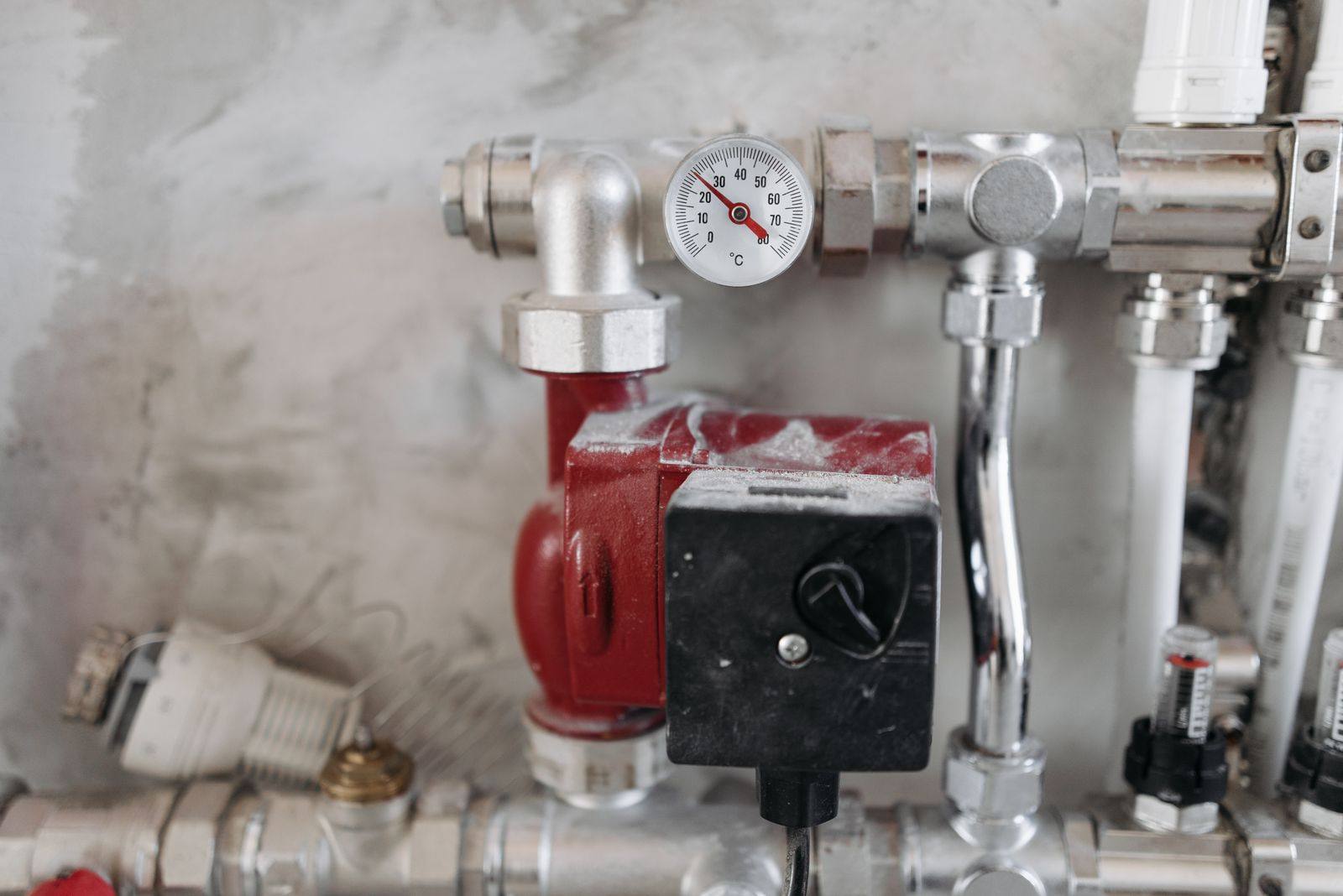
Many older homes still have original or aging supply lines — galvanized steel or early copper — that corrode from the inside, narrowing the pipe. The corrosion flakes can travel into the heater and clog valves and fixtures. The result is restricted flow: a new heater performs worse than it should, hot water arrives slowly, and the heater works harder for the same result.
When a replacement is planned in an older home, the supply lines feeding the heater should be inspected at the same time. Replacing a short run of corroded pipe at the heater is a small job compared with replacing the heater itself, and a new unit connected to corroded piping inherits the old unit's problems.
Where the heater lives
The housing stock is the story. Early-1900s houses in Ballard, Queen Anne, Capitol Hill, and Wallingford sit alongside mid-century homes in the suburbs and newer houses in the eastside tech corridor around Redmond and Bellevue. Many older Seattle homes have no basement — the heater often sits in a garage, a utility closet, or a crawl space — and the plumbing feeding it can be as old as the house.
In older homes, the heater's location often predates current code. Vents may run through chimneys that also serve a furnace, and a finished basement may have sealed off the combustion air the heater needs. A replacement visit in an older home should include a check of the venting, the combustion air, and the relief-valve discharge line.
Damp and corrosion
Seattle's municipal water is softer than in much of the country, so scale builds up more slowly here than in hard-water cities — but sediment and anode-rod wear still happen, and damp crawl spaces and garages can corrode fittings and vents. The Pacific Northwest also sits in earthquake country, so securing a heater against movement is a sensible part of any replacement here.
What actually helps
- - Inspect the supply lines when a replacement is planned, and replace corroded runs at the heater.
- - Check the venting and combustion air, especially in homes where a basement has been finished since the house was built.
- - Keep up with flushing and anode-rod checks — older plumbing makes maintenance more important, not less. See the maintenance page.
- - Secure the heater against movement, which is sensible in earthquake country and cheap to do during a replacement.
Frequently Asked Questions
My new water heater performs worse than the old one. Why?
Often the supply lines. Corroded or narrowed pipes restrict flow, so the new heater cannot deliver what it should until the piping is addressed.
Is my older home's plumbing a problem for a tankless unit?
It can be. Tankless units need good flow and a solid gas supply, so the existing lines and venting should be checked before sizing a unit. See the tankless page.
How long do water heaters last in older homes?
Tank heaters commonly last 8–12 years. In older homes, the plumbing around the heater often decides whether the heater reaches that age.