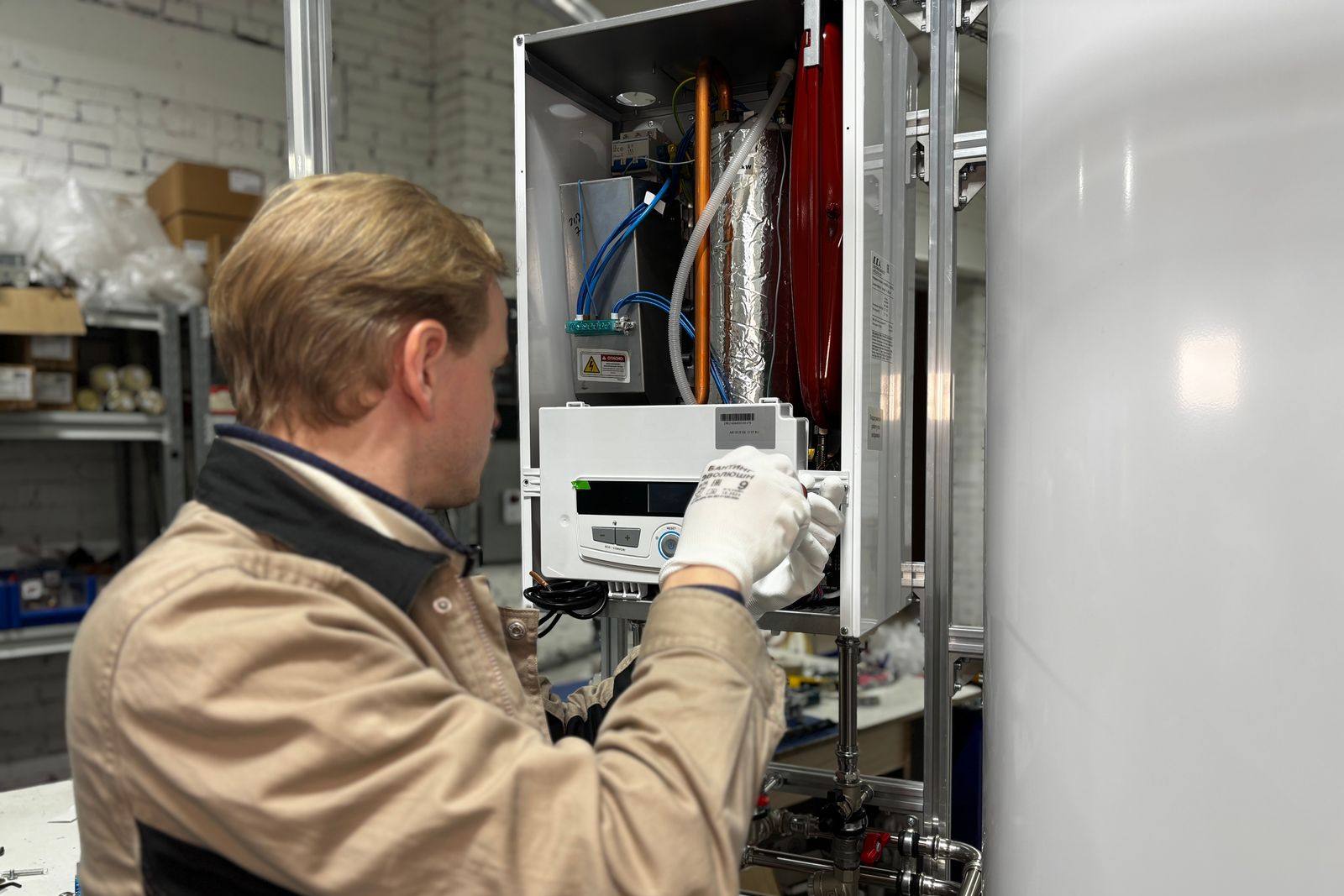
Water heater repair in Seattle
When the hot water stops in Seattle, the problem is usually one of a handful of things: a failed heating element or thermostat on an electric unit, a thermocouple or gas valve problem on a gas unit, a tripped reset button, or sediment that has built up so far the heater can no longer keep up. The first step is always the same — work out what the heater is doing, or not doing, before deciding whether it needs a part, a flush, or a replacement.
Seattle's municipal water is softer than in much of the country, so scale builds up more slowly here than in hard-water cities — but sediment and anode-rod wear still happen, and damp crawl spaces and garages can corrode fittings and vents. The Pacific Northwest also sits in earthquake country, so securing a heater against movement is a sensible part of any replacement here.
Repair, replacement, and maintenance in Seattle — accepted in all 59 ZIP codes where coverage is verified: 98101, 98102, 98103, 98104, 98105, 98106, 98107, 98108, 98109, 98111, 98112, 98113, 98114, 98115, 98116, 98117, 98118, 98119, 98121, 98122, 98124, 98125, 98126, 98127, 98129, 98131, 98133, 98134, 98136, 98138, 98139, 98141, 98144, 98145, 98146, 98148, 98154, 98155, 98158, 98160, 98161, 98164, 98165, 98166, 98168, 98170, 98174, 98175, 98177, 98178, 98181, 98185, 98188, 98190, 98191, 98194, 98195, 98198, and 98199. Requests from these ZIP codes are shared with independent local water heater providers.
The symptoms that matter
- - No hot water at all — often a failed element, thermostat, thermocouple, or gas supply issue. Check the breaker or gas control first; if both are fine, the heater needs diagnosis.
- - Not enough hot water — a common sign of sediment build-up, a failing lower element, or a heater that is too small for the household's demand.
- - Popping or rumbling noises — almost always sediment at the bottom of the tank. When the burner fires, steam forces its way through the sediment and makes the noise.
- - Rusty or discoloured water — the anode rod may be gone and the tank itself starting to rust, or the home's supply lines may be corroding.
- - Water around the base — a leak. Turn off the water supply to the heater and request help; a leaking tank is not a repair that waits.
Repair or replace?
- - Repair is usually right for a newer heater with a single failed part — a thermostat, heating element, thermocouple, gas valve, or relief valve.
- - Replacement is usually right when the tank leaks, when the heater is 10–12 years old and needs a major part, or when repairs keep repeating. Local firms advertise tank installs in roughly the $1,500–$3,000 range; that is an advertised range, not a quote.
- - Maintenance — annual flushing and anode-rod checks — is what keeps an Seattle heater from becoming an emergency. See the maintenance page for what a tune-up includes.
What to include in a request
The more specific the request, the better the provider can prepare: gas or electric, tank or tankless, approximate age of the heater, and the symptoms (no hot water, not enough hot water, leak, noise, smell, error code). The contact page has a form for exactly this — it is currently not yet monitored while lead routing is being set up, and the notice on the form says so.
Frequently Asked Questions
Which Seattle ZIP codes do you cover?
98101, 98102, 98103, 98104, 98105, 98106, 98107, 98108, 98109, 98111, 98112, 98113, 98114, 98115, 98116, 98117, 98118, 98119, 98121, 98122, 98124, 98125, 98126, 98127, 98129, 98131, 98133, 98134, 98136, 98138, 98139, 98141, 98144, 98145, 98146, 98148, 98154, 98155, 98158, 98160, 98161, 98164, 98165, 98166, 98168, 98170, 98174, 98175, 98177, 98178, 98181, 98185, 98188, 98190, 98191, 98194, 98195, 98198, and 98199 — 59 ZIP codes in total.
My water heater makes a popping noise. What is that?
Almost always sediment: minerals that have settled and hardened at the bottom of the tank. Flushing helps if the sediment has not hardened; heavy build-up sometimes cannot be fully removed.
How long does a water heater last in Seattle?
Tank heaters commonly last 8–12 years, and local water and maintenance habits can shorten or extend that. Tankless units often last longer, but only with regular descaling.